ATSB's Groote Eylandt Baron Preliminary Has Flight-Tracking, Radio and Wreckage, and No Findings
ATSB preliminary report AO-2026-094, released 13 November 2026, covers the 25 August collision with water of Beechcraft 58 Baron VH-AKH. It states no findings. The aircraft had no FDR or CVR, and none was required. ADS-B for the flight was not available.
Organizational byline
Updated November 16, 2026
4 min read
News. This is a preliminary report. It is not a finding, and it does not state a cause. On 13 November 2026 the Australian Transport Safety Bureau released the preliminary report in investigation AO-2026-094, the collision with water of Beechcraft 58 Baron VH-AKH on 25 August 2026, about 61 km north-west of Groote Eylandt Airport, Northern Territory. The occurrence time in the summary is 1127 Australian Central Standard Time. The report says it is released under section 25 of the Transport Safety Investigation Act 2003 to set out evidence and further work. It says the analysis and findings will be in a final report. The investigation is active, at examination and analysis, level Short, with anticipated completion in the first quarter of 2027.
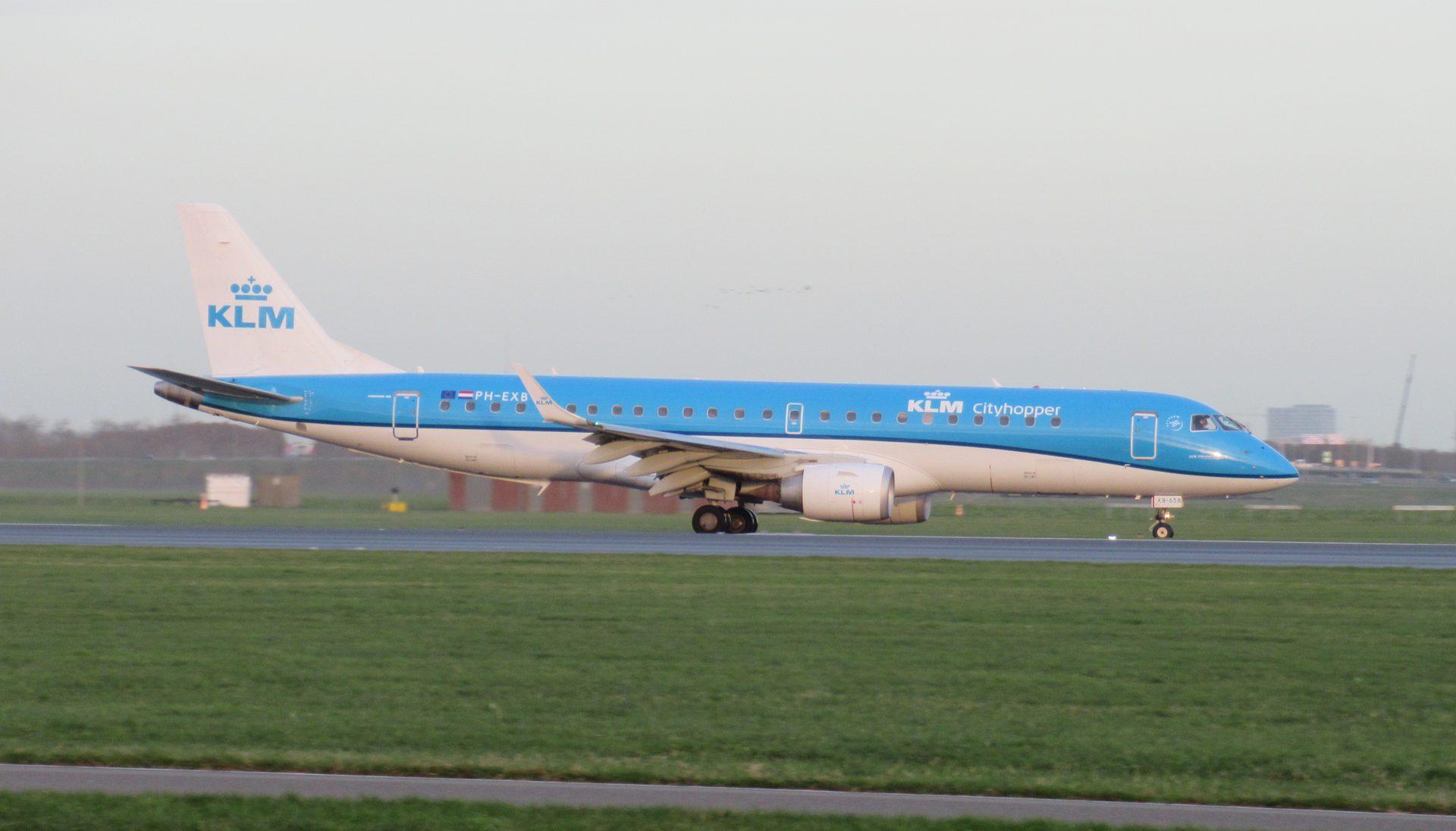
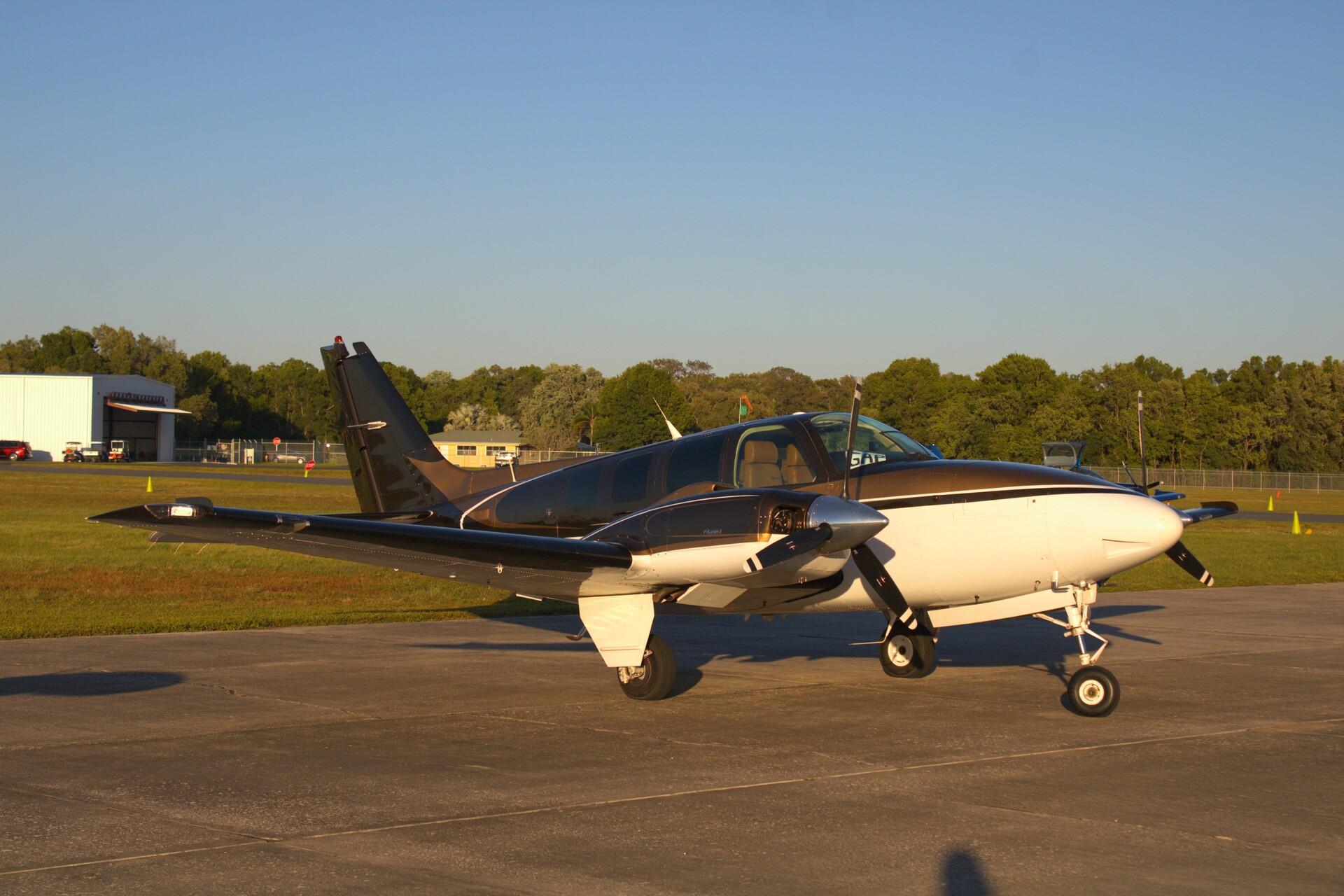
The photograph is Beechcraft 58 Baron N874WH at Lakeland on 12 April 2024. It is the model. It is not VH-AKH.
The ATSB's occurrence summary classifies the accident flight as Part 91, activity ferry, operated by Air Frontier Pty Ltd, with one crew member fatally injured and the aircraft destroyed. The pilot was the only person on board. The flight plan lodged through Airservices Australia was for a direct flight from Gove to Numbulwar at a planned 4,500 ft. The plan for the return to Gove indicated four passengers. The ATSB news release describes the aircraft as a charter aircraft being flown to collect those passengers. The occurrence summary's classification of this leg is the ferry, not the return.
What was recorded without a flight recorder
The report says the aircraft was not fitted with a flight data recorder or a cockpit voice recorder, and that it was not required to have either. It also says automatic dependent surveillance-broadcast data for the accident flight was not available, that the last identified ADS-B data was broadcast on 13 April 2026, and that Airservices Australia told the ATSB the aircraft was not detected by radar for the accident flight.
What the investigation does record is an iPad running OzRunways, which transmitted position over the mobile network. Tracking began during the take-off roll at 1057:59. The aircraft became airborne at 1058:14. About 1102 it reached top of climb at 4,700 ft, tracking 208 degrees. In cruise the altitude ranged from 4,500 to 5,000 ft and the groundspeed from 181 to 203 kt. The last point was 1124:16, at 4,800 ft and 193 kt, about 12 nautical miles (23 km) north-north-east of the impact point. The news release says that leaves about the last three minutes of the flight without that track.
Recorded radio was two calls on the Gove common traffic advisory frequency: a taxi call at 1057:26 and a departure call at 1100:03. The ATSB found no further recorded CTAF transmissions for the flight at Gove, Numbulwar or Groote Eylandt. Telecommunication records showed a messaging stream with the pilot's partner. The final message from the pilot was at 1121, in the cruise. The report does not quote that message.
Witnesses at anchor about 1 km south-west of Isle Woodah reported the aircraft descending toward the water at an estimated 35 to 45 degrees nose down, wings level, and striking the water at very high speed. They found a fuel and oil slick and small floating fragments. The Bureau of Meteorology station at Groote Eylandt, 61 km from the site, recorded wind from the east at 13 kt, visibility greater than 10 km, temperature 30°C, dewpoint 16°C, and no cloud, around the time of the accident. A satellite image valid for 1130 showed no significant cloud or weather at the site. Northern Territory Police divers found heavily fragmented wreckage at about 17 m, about 3.5 km south-west of Isle Woodah.
The aircraft is serial TH-972, a 1978 Beechcraft 58 with two Continental IO-520 engines. A maintenance release was issued at the periodic inspection in Darwin on 10 June 2026 at 7,302.0 hours, and the aircraft had flown another 79.8 hours by the morning of the accident. The pilot held a commercial pilot licence and a class 1 medical, with about 1,138 hours total and 304.9 hours in the Baron, on the operator's records.
The ATSB says the investigation is continuing into maintenance records, operational and pilot documentation, recovered components, and similar occurrences. It says that if a critical safety issue is identified, it will notify the relevant parties. The preliminary report does not identify one.