The FAA's 22 Air Traffic Control Centers: What the List Shows
The FAA's ground-stop account refers to 22 air traffic control centers, which it calls air route traffic control centers. The facilities page, last updated 13 January 2026, names 21.
Organizational byline
Updated November 17, 2026
2 min read
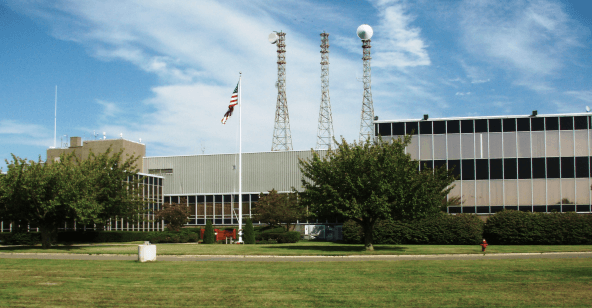
Explainer. The FAA's ground-stop update refers to 22 air traffic control centers, which it calls air route traffic control centers; the facilities list names 21. Here's that list.
The 21 names, as the table prints them
The FAA's Air Traffic Control Facilities page, last updated 13 January 2026, puts Air Route Traffic Control Centers in the first collapsible table. The state or district is the page's column. Boston is in the New Hampshire row. The Virginia row says "Washington, Leesburg," which is the center in the 12 November SMART note, not a second center.
| As the page labels the row | Center as printed |
|---|---|
| Alaska | Anchorage |
| California | Los Angeles |
| California | Oakland |
| Colorado | Denver |
| Florida | Jacksonville |
| Florida | Miami |
| Georgia | Atlanta |
| Illinois | Chicago |
| Indiana | Indianapolis |
| Kansas | Kansas City |
| New Hampshire | Boston |
| Minnesota | Minneapolis |
| New Mexico | Albuquerque |
| New York | New York |
| Ohio | Cleveland |
| Tennessee | Memphis |
| Texas | Ft Worth |
| Texas | Houston |
| Utah | Salt Lake |
| Virginia | Washington, Leesburg |
| Washington | Seattle |
That is 21 rows. The page prints "Ft Worth" and "Salt Lake," not the longer city names.
What else is on the page
After that table, the page lists terminal radar approach controls, then air traffic control towers, then towers with a TRACON. Honolulu Control Facility, Joshua TRACON, San Juan and Guam sit in a separate combined control facilities list.
The 15 November ground-stop page, written up in the 17 November note, says instability began at 17 of our 22 air route traffic control centers and spread into several terminal radar approach controls. It also says the stop was not caused by SMART, which it describes as a data aggregator that does not feed the air traffic control system.