Hoax Bomb Threats Diverted Flights Across Europe
The Guardian counted at least 34 flights affected by bomb threats in the first week of November, including Ryanair, Wizz Air and LOT. Eurocontrol, via EUobserver, counted at least 35. Searches found nothing. A Commission meeting was set for 11 November.
Organizational byline
Updated November 17, 2026
4 min read
News and explainer. A series of bomb threats disrupted European flights in the first week of November 2026. The Guardian and EUobserver count them differently. Both say the threats were not borne out. Neither report says who sent them.
What was reported
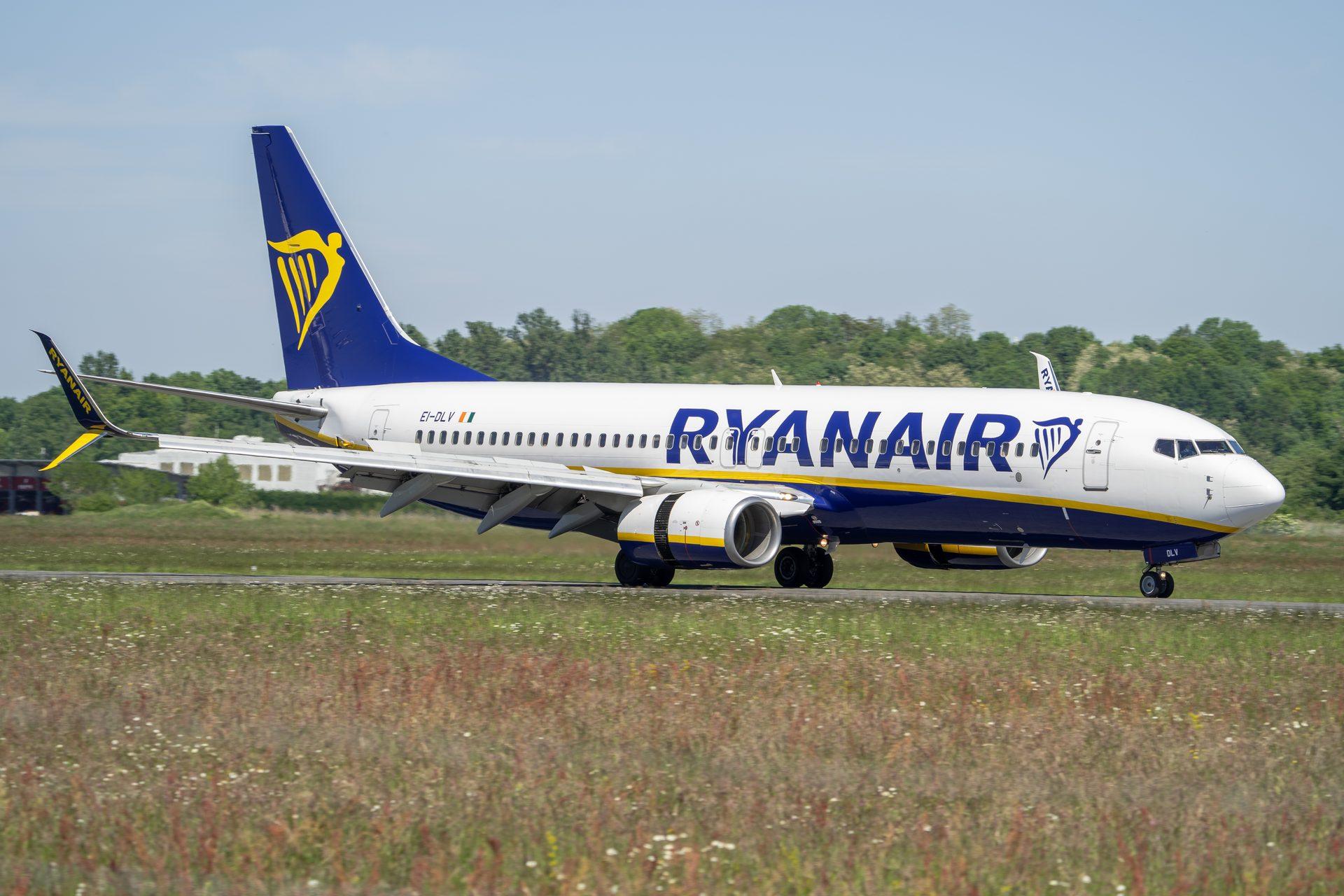
The Guardian, on 5 November 2026, said hoax bomb threats had disrupted at least 34 flights across Europe that week, and that at least 25 of them were on Thursday, on flights between Italy, Ireland, the UK, Spain, Bulgaria, Romania, Poland, Finland, Austria, Denmark, Belgium, Portugal, France, Greece, Serbia and Czechia. It named Ryanair, Aer Lingus, Wizz Air, Finnair, easyJet, Aegean Airlines, Iberia, Sky Express, Air Serbia and LOT Polish Airlines. It said all of those flights landed safely and that searches found nothing suspicious.
It said the Thursday threats followed seven aircraft searched or diverted on Tuesday, and a Monday flight from the UK to Bulgaria that diverted after a threat the paper described as apparently without substance. In Britain, it said Heathrow and Birmingham received threats overnight that specialist investigators from the Metropolitan Police aviation command determined were hoaxes. The Met said threats had been made against four aircraft departing from or arriving at Heathrow and that, after assessment, no security issues were identified.
Two cases in the same Guardian story are more specific. A Cork airport spokesperson told the paper the airport received an anonymous phone threat on Thursday morning and a flight was delayed. The paper said that was understood to be a Ryanair flight from London Stansted. Separately, a Ryanair flight from Pescara to Brussels-Charleroi was inspected after the word "bomb" was found written on an onboard toilet wall.
EUobserver, in a story dated 10 November 2026, quotes Eurocontrol: at least 35 planes between airports across Europe faced bomb threats last week. It says the scare affected 20 airports in 16 countries: Austria, Belgium, Bulgaria, the Czech Republic, Denmark, Finland, France, Greece, Ireland, Italy, Poland, Portugal, Romania, Serbia, Spain and the UK. Eurocontrol told EUobserver the hoaxes were less than 0.5 percent of European flights on any of the three days when alarms were sent, and that they had not had an impact on delay in the air traffic network. The story says none of the threats turned out to be real.
The Guardian, citing Eurocontrol, says about 27,400 flights were scheduled in Europe on Thursday, and that the affected flights were a tiny fraction of that day.
The counts are close. Thirty-four is the Guardian's "at least" for the week as of 5 November. Thirty-five is Eurocontrol's "at least," as EUobserver reported it on 10 November.
What that meant for the flights
The Guardian says some aircraft were forced into emergency landings or diversions, and that aircraft were searched. It says diversions are expensive and disruptive, and that airlines have little choice when a threat is treated as remotely credible. EUobserver says a Finnair flight between Helsinki and Rome was escorted by Italian fighter jets, and that a flight from Dublin to Rome was diverted to a French air base. The Guardian identifies an Aer Lingus flight from Dublin to Rome that diverted to Évreux. The escort EUobserver reports is that one Finnair flight.
IATA, in a statement the Guardian quotes from Nick Careen, senior vice-president for operations, safety and security, said safety is the industry's first priority and that it takes all threats seriously, and urged authorities to identify the origin of the threats. EU transport commissioner Apostolos Tzitzikostas, as EUobserver quotes him, said the EU remained at full operational readiness and that the priority was the safety of passengers and the functioning of European aviation.
On cost, EUobserver says Eurocontrol data put the average at €55,000 a flight, and it quotes aviation expert Philippe Baum of Coventry University for a figure that can reach €220,000.
The meeting
EUobserver says experts from EU member states were to meet on Wednesday 11 November, chaired by the European Commission, with security experts from Norway, Switzerland and Iceland as well. The meeting was to review the situation and discuss whether extra measures were needed.