What the FAA Has Said About the 13 November Ground Stop
The FAA's 15 November questions page says a data flood on the FTI network led to a nationwide ground stop on 13 November, from about 3:30 p.m. to 8:15 p.m. ET. The root cause is still under investigation. FlightAware later counted more than 18,500 cancellations; the FAA's tally for the day is about 12,462.
Organizational byline
Updated November 17, 2026
5 min read
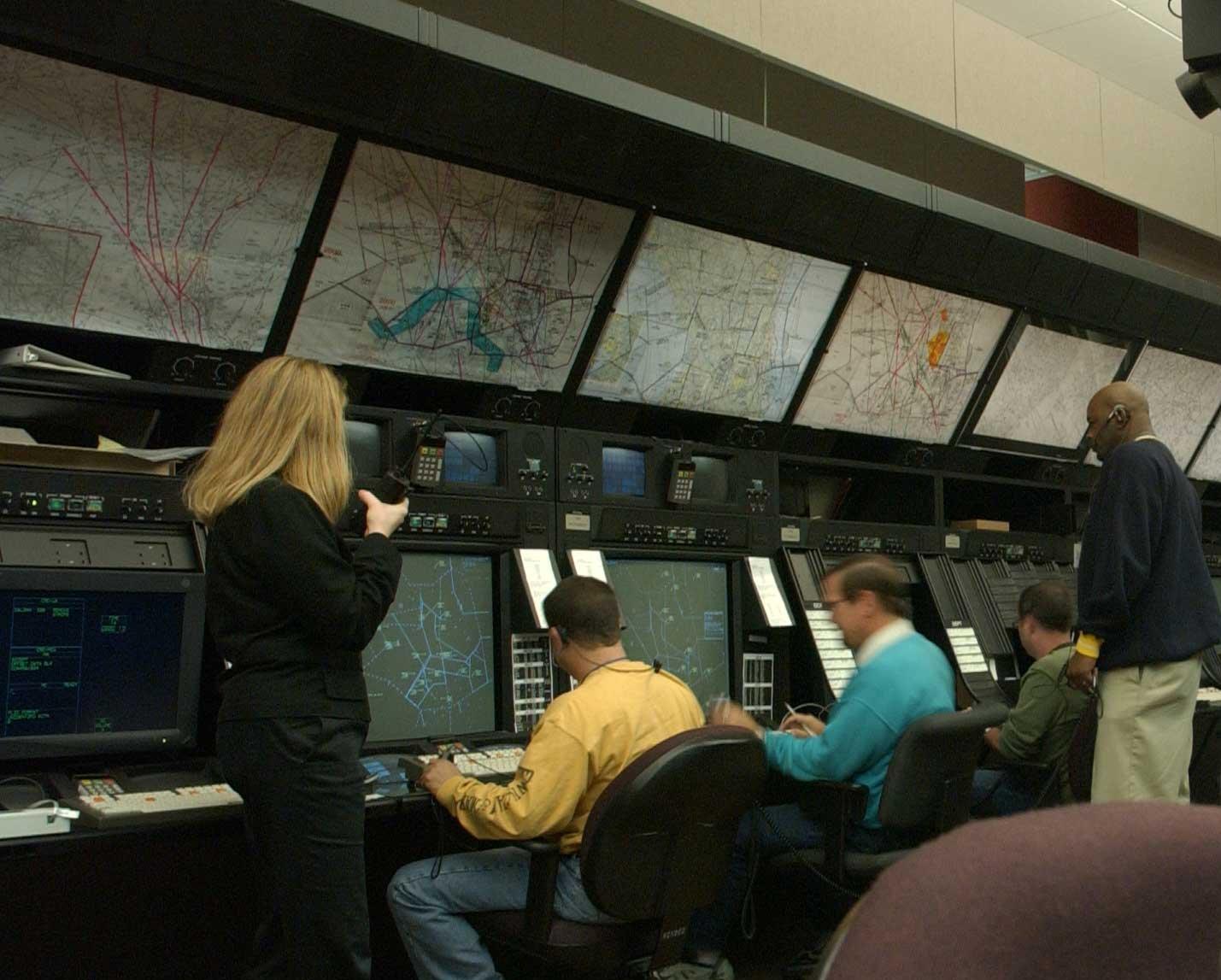
Analysis. The Federal Aviation Administration's account of the 13 November nationwide ground stop is a questions page dated Sunday, 15 November 2026. It sets out the operational timeline. The root cause is still under investigation.
What the FAA says happened
The page says that on 13 November, at about 3:30 p.m. ET, a technical problem led the FAA to issue a nationwide ground stop. The system was made stable, and air traffic resumed as of 8:15 p.m. the same day. The stop was issued out of an abundance of caution.
Legacy equipment became unstable when data began flooding the FAA FTI network at a rate of 1,000 connection attempts every 4 to 5 seconds. That disrupted the system and created instability with aircraft communications and radar feeds. A later answer says this was due to the legacy TDM system causing instabilities, and that none of the upgraded towers that received modifications from the down payment in the Working Families Tax Cuts went down.
The page says this was not a full outage. Some frequencies and radar feeds remained reliable, and controllers could still communicate with and track aircraft. About 3,500 aircraft that were airborne safely landed. Frequencies remained available for commercial landings and for life-saving, law enforcement and military flights, with no impacts to those critical flights.
The instability began at 17 of 22 air route traffic control centers and spread into several terminal radar approach controls. The nationwide ground stop followed that. A separate note on the same page says the stop was not caused by SMART. It calls SMART a data aggregator that does not feed information into the air traffic control system. What the FAA has and has not claimed for that tool is in the 12 November SMART note.
On cancellations, operators canceled about 12,462 flights on Friday, 13 November, including 9,082 by major airlines. The page says not all of those cancellations were directly caused by the ground stop.
What is still open
The same page says the FAA and L3Harris are still investigating the root cause. It says the initial investigation indicates two potential locations for the data flooding the systems: a radar site in Amarillo, Texas, and a radio communications site in El Dorado, Arkansas.
It says L3Harris, the current network service provider, had been doing work at the El Dorado site, including deployment of a new router. When the inconsistencies happened, L3Harris blocked those two locations and the network stabilized. The broadcasting function was also disabled on all the new routers as a precaution. A later answer says the FAA believes it addressed the initial cause by disabling the functionality of the originating routers, and that the same functionality was disabled on about 60 similar routers as a precaution.
Another answer calls the disruption the result of a routine replacement at a remote facility, work the FAA says has been done for decades at such sites without this effect. The agency says it will reevaluate when replacement and maintenance work is done. That answer says "a remote facility." The location answer still names two potential sites, and the page has not closed them into one cause.
The FAA says that, based on all available evidence, it has no indication this was a cyberattack or an outside actor. The investigation continues.
L3Harris's statement, dated 14 November 2026, says the company has been modernizing National Airspace System communications with the FAA and, with its telco partners and the FAA, has completed more than 70 percent of a planned conversion from legacy copper wires to fiber. It says it is supporting the FAA's investigation of the conditions that led to the ground stop.
Al Jazeera's 16 November story reports a narrower remark from Transportation Secretary Sean Duffy: the problem began at a remote FAA site in Arkansas where L3Harris workers were replacing copper wiring with fiber-optic cables. That is Al Jazeera's account of what Duffy said. The FAA page still lists two potential locations, and the root cause is still open.
The cost figures
Al Jazeera, citing brokerage firm Bernstein, says the four largest U.S. airlines, American, Delta, United and Southwest, could face a combined hit of $345 million to pretax earnings. That estimate is Bernstein's, as Al Jazeera reports it.
The same story says the effects were still moving through schedules on Monday. FlightAware counted more than 18,500 flights within, into or out of the United States cancelled since the disruption began. The FAA's own tally for 13 November is about 12,462, and the agency already said not all of that count was directly caused by the ground stop.
Al Jazeera also says Duffy told CNBC on Monday that the wider impact could run into the "billions of dollars," and that no official estimate of the total economic cost has been released. The same story says Duffy has asked Congress for $50 billion for air traffic control and airport infrastructure upgrades, on top of $12.5 billion that lawmakers approved last year for air traffic control modernization. Both are Al Jazeera's account of the secretary. Neither is a measured cost of 13 November.