Boom Lit a Superpower Core. It Was a Short First Run.
Aviation Week says Boom's first Superpower core light-off was on 21 November, to 6,500 rpm, with a full engine test aimed at around the middle of 2027. The core is pitched first as a data-center turbine. A short run is not a delivered engine or a certificated airliner.
Organizational byline
Updated November 23, 2026
4 min read
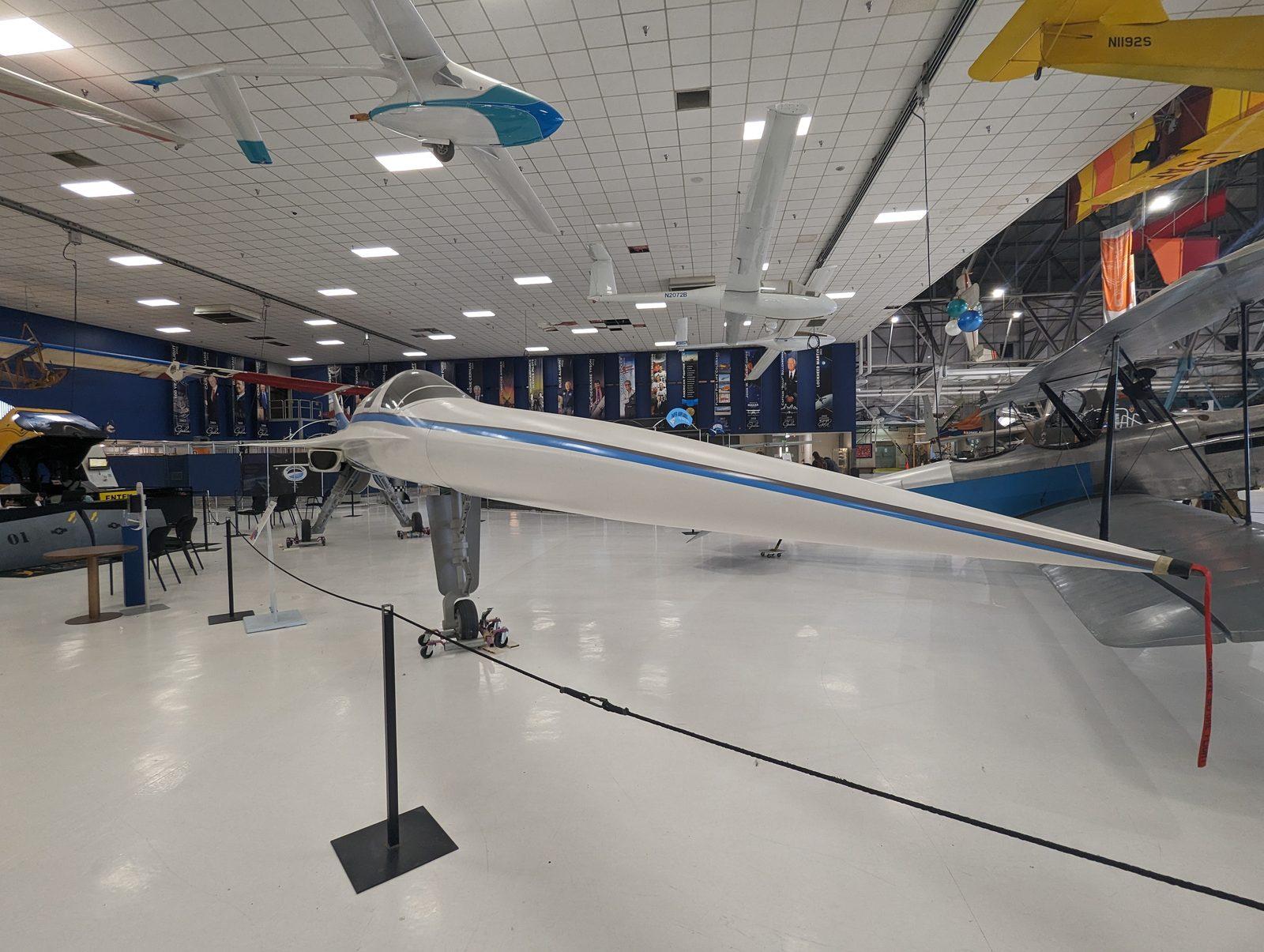
Analysis. Boom Supersonic ran a prototype engine core for the first time on 21 November 2026. Aviation Week's Guy Norris reported it the next day. The core is meant first for a natural-gas turbine selling power to data centers. The run was short. It is not a full engine, a delivered generator, or a flight engine for the Overture airliner.
What Aviation Week recorded
Norris writes that the test was at Colorado Air and Space Port in Watkins, east of Denver. Founder Blake Scholl told Aviation Week the light-off came on the second attempt. He said the team thought there was less than a 50 percent chance it would work. He said the core was taken to 6,500 rpm, with nearly 2,000 real-time sensors, on a deliberately short run to collect data, and that Boom expects to widen the core's test envelope over the next two months.
Scholl also said Boom is "tracking toward tests of a fully integrated engine by around the middle of next year." Dated 22 November 2026, that is about mid-2027. The machine he described is the twin-shaft Superpower, with a low-pressure spool and a free power turbine. Norris says the core's first job is the 42-megawatt industrial turbine Boom launched in 2025 for AI data centers. Symphony, the medium-bypass turbofan for the planned Mach 1.7 Overture, comes after. Aviation Week says both would share a six-stage high-pressure compressor and a single-stage high-pressure turbine.
A core is that compressor, combustor and high-pressure turbine. Lighting it, and touching 6,500 rpm, shows a test article started and that sensors were recording. It does not show endurance, a compressor map, a complete engine, or hardware a data center or an aircraft could use. Scholl's account is that the first try was not expected to light. A light on the second try is a result, and a marker of how early this still is.
October's release did not contain this test
Boom's release of 22 October 2026, from Centennial, announced a finished "Sprint Core," a factory it calls a 2-gigawatt Superpower Superfactory, and a planned digital foundry for single-crystal blades. It said the core would ship that week to Watkins, and that the first firing was expected before Thanksgiving. The 21 November light-off is that firing, as Aviation Week reported it. No newer Boom release, in the pages checked for this note, carries the rpm or the result. The October note does not either.
The delivery numbers in that release are targets. First customer shipments of the 42-megawatt turbine are aimed at mid-2027, then 1 gigawatt a year (25 turbines) by 2028 and 2 gigawatts (50) by 2029. The factory is described as nearly 200,000 square feet and a $150 million investment, with up to 500 jobs, already making some parts and due to be fully up by early 2027. The core's sensor count in the release, more than 1,000 on the core and about 2,000 in the full rig, matches what Scholl later told Aviation Week. None of the factory schedule is a result of the 21 November run. The "most advanced foundry" line is Boom's wording for a shop it says is still being built, with first single-crystal parts expected in 2027.
The airliner engine is a separate claim
Aviation Week puts commonality between Superpower and Symphony above 75 percent, then lists Scholl's differences: four low-pressure compressor stages on Superpower against three on Symphony, one fewer turbine stage, no fan, and a lighter flight engine. A shared high-pressure core is not the same product. A turbine that turns a generator is not a fan engine.
The thrust number moves, too. Aviation Week calls Symphony a 40,000-pound-thrust engine. Boom's Symphony page, as used in the earlier Overture note, described 35,000 pounds and shared hardware with Superpower. Both figures are descriptions. Neither is a certificated rating.
That earlier note kept design claims, engine tests, the XB-1 demonstrator and FAA certification in separate lanes. This core run sits in the engine-test lane only. Neither the October release nor the Aviation Week story is an FAA type certificate, a production approval, or an endurance program. If Boom's order of work holds, the first customer is a data center, and that delivery is a mid-2027 target sitting next to a full-engine test Scholl put in the same season. A startup core at 6,500 rpm is worth writing down. It is not yet a power plant, and it is not yet a supersonic engine.