A Delta Weight-and-Balance Outage Led to an Atlanta Ground Stop
FAA advisories on 22 November put a Delta-only ground stop on Atlanta, then a Delta-only ground delay signed at 8:32 a.m. Eastern, then cancelled that program at 11:26 a.m. Eastern. AP reported the cause as Delta's weight-and-balance automation.
Organizational byline
Updated November 23, 2026
4 min read
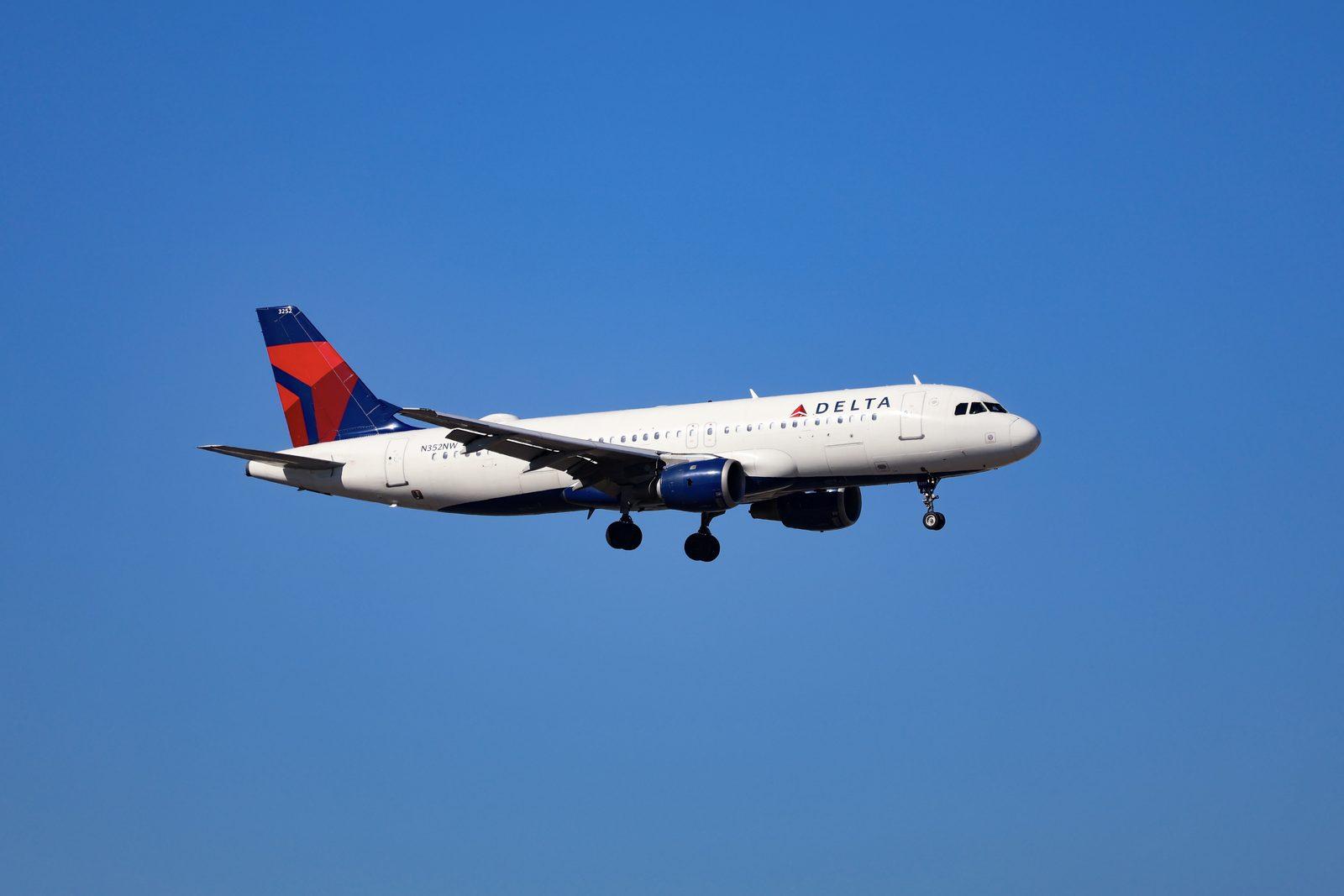
News. Delta Air Lines had a weight-and-balance automation problem on Sunday 22 November 2026. The FAA command center put a Delta-only ground stop on flights into Atlanta, replaced it with a Delta-only ground delay signed at 8:32 a.m. Eastern, and cancelled that delay at 11:26 a.m. Eastern. The Associated Press reported the cause as the airline's system. The FAA said the delays were not an air traffic failure.
AP, updated Sunday, said the issue was delaying flights at the Atlanta hub and nationwide. Delta said its teams were using manual workarounds to get flights off the ground while work continued to restore the automation. AP also reported that the FAA said on X that Delta was working on the problem and that the delays were not related to any FAA air traffic systems.
What the command center issued
Three advisories, all dated 22 November and still on fly.faa.gov, are the record. They are narrower than a line that says Atlanta stopped.
Advisory 042 is the ground stop, 1246Z to 1400Z, 7:46 a.m. to 9:00 a.m. Eastern. It includes carrier DAL only. The comment is "DAL AND SUBS ONLY, CARRIER REQUEST." Departure facilities are a second-tier list of centers, not every US airport. At issuance it listed a new delay total of 3,574, a maximum of 70 minutes and an average of 44, with a medium chance of extension. That 3,574 is the figure on the advisory when it was published, not a later count of flights already late.
Advisory 051 is the ground delay that replaced it, signed at 1332Z, 8:32 a.m. Eastern. The comment says "DAL ONLY MAINLINE AND SUBS GDP AT CARRIER REQUEST. GROUND STOP CANCELED." Arrivals were estimated from 1324Z to 1759Z. The average delay on the advisory is 57 minutes and the maximum is 111. The program rate is listed as 40/40/40/40/50. Canadian departures are none. Inclusion is contiguous US departures, Delta only. Some same-day reports put the change at just after 8:40 a.m. The advisory is signed at 8:32. This note uses the advisory.
Advisory 080 cancels the delay. The ADL time is 1626Z, 11:26 a.m. Eastern, and the signature is 1628Z. Users are told to disregard expected departure clearance times into Atlanta. The comment is "CARRIER REQUEST OBJECTIVES MET." That ends the traffic program. It does not say the automation was back.
What a manual fallback slows down
A flight needs a load figure before it goes: the weight as loaded, and where that weight sits, once passengers, bags, cargo and fuel are counted. Those numbers set takeoff speeds and thrust. Automation writes the sheet quickly and can redo it when the load changes. By hand, or on a backup, each flight takes longer. The aircraft stays at the gate. An arrival that needs the gate waits, or does not come in yet.
A stop holds the affected flights where they are, so they do not launch toward a hub with no gate. A delay program lets them leave on a meter, with a later clearance time. Advisory 051 is that second tool, for Delta mainline and subsidiary flying, at the carrier's request. Other airlines at Atlanta were not in it.
Dispatch cannot release the flight until the numbers exist. The ramp cannot close it out while bags and cargo are still being matched to those numbers. A passenger-airline crew sits inside a duty window that starts before the first flight and keeps running on the ground. A long gate delay spends that window. If the crew hits the limit, that crew does not depart. That is the general constraint. It is not Delta's manual procedure, its reserve plan, or a log of Sunday's dispatch. The public line AP reported was the manual-workaround sentence.
One tracker hour, and a different stop
At midday Sunday, AP reported, FlightAware had 48 percent of Delta's flights delayed, 38 percent of Hartsfield-Jackson departures delayed, and about 36 percent of flights bound there delayed. Those percentages are one site at one hour. They are not the command center's 3,574, and AP gives no cancellation count.
This is not the 13 November nationwide ground stop, an FAA network problem covered in the 17 November note. Sunday's FAA line, as AP reported it, was that these delays were not FAA air traffic systems. Airlines for America's holiday forecast, in the 20 November note, does not describe this outage.