FAA AD 2026-23-04 Requires Repeat 737NG Autothrottle Monitor Tests
Federal Register document 2026-23697, published 20 November 2026, adopts AD 2026-23-04 for certain Boeing 737-600, -700, -700C, -800 and -900 aeroplanes. It is effective 7 December 2026, comments close 4 January 2027, and the FAA estimates 300 US-registry aeroplanes.
Organizational byline
Updated November 20, 2026
4 min read
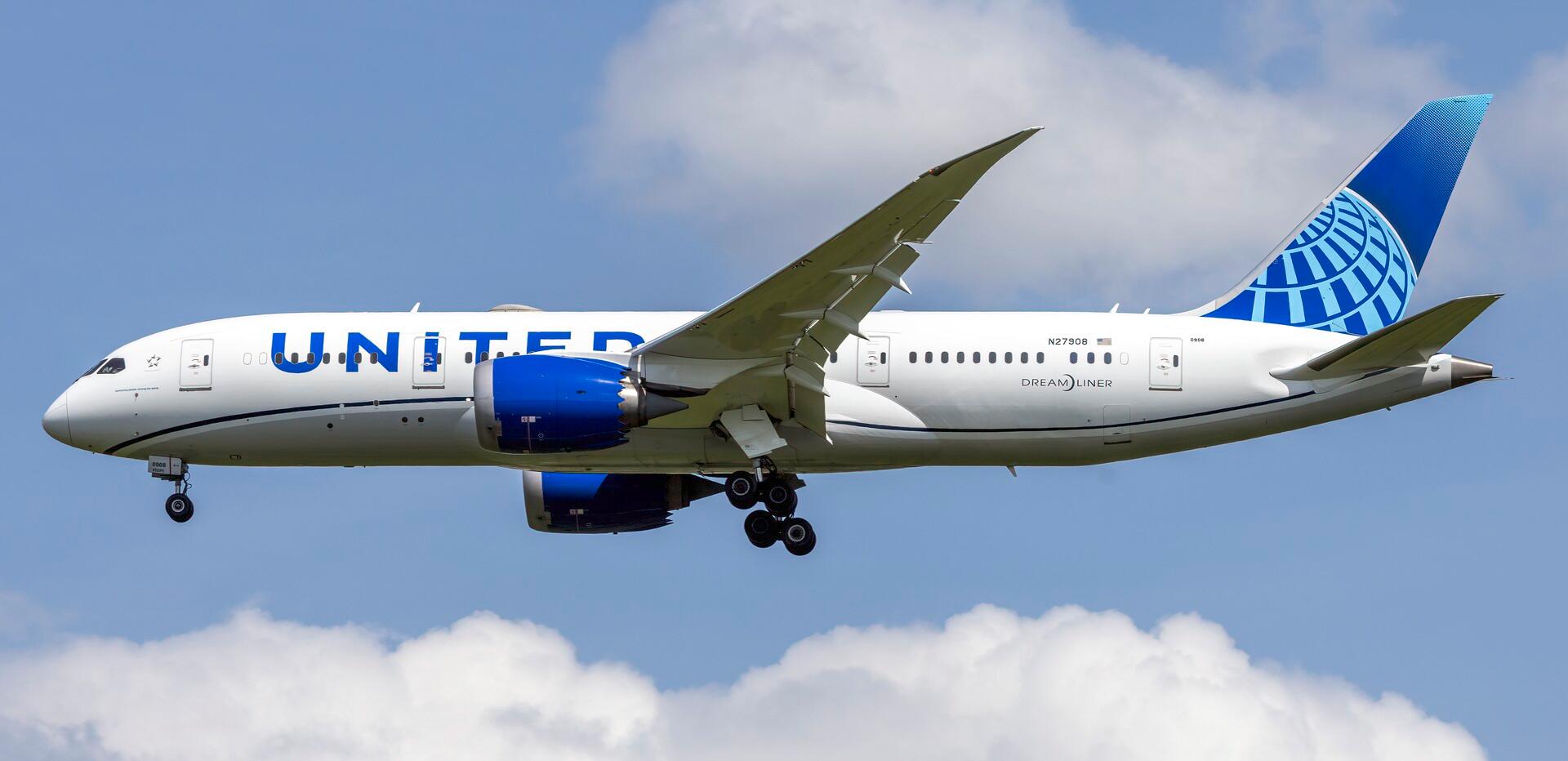
News. The US Federal Aviation Administration has adopted a new airworthiness directive, AD 2026-23-04, for certain Boeing 737-600, 737-700, 737-700C, 737-800 and 737-900 series aeroplanes. The rule was published in the Federal Register on 20 November 2026 as document 2026-23697, at 91 FR 75191. It is effective 7 December 2026. Comments are due by 4 January 2027. The docket is FAA-2026-13812.
The directive requires repetitive aileron built-in test equipment tests of the digital flight control system, and the on-condition actions that follow a failed test. The FAA says it was prompted by a review of the autothrottle cruise thrust split monitor, which the rule calls MONFD, and by a finding that spoiler sensor position data can be latently lost or can be wrong.
The unsafe condition, in the FAA's words
The Federal Register text says this condition, if not addressed, could lead to failure of the MONFD to activate. That could result in a significant throttle split, asymmetric thrust, and the autothrottle not disengaging, which could lead to an uncommanded roll. An uncommanded roll that the crew does not detect and correct in time could result in loss of control and loss of continued safe flight and landing.
The rule says the FAA has determined the unsafe condition is likely to exist or develop in other products of the same type design. Applicability is the models listed above, certificated in any category, as identified in Boeing Alert Safety Advisory 737-BSA-22-001, dated 30 October 2026. The subject code is ATA 22, Auto Flight. The amendment number is 39-23521. The project identifier is AD-2026-01169-T. The rule says no other AD is affected.
The models named are the 737-600 through 737-900 series in that advisory. The Federal Register text does not name the 737 MAX.
What has to be done, and when
The FAA reviewed Boeing Alert Safety Advisory 737-BSA-22-001, dated 30 October 2026. It says that material specifies repetitive aileron BITE tests of the digital flight control system and the applicable on-condition actions. On-condition actions include addressing the test failure and repeating the test until it passes.
Operators must do the actions marked "RC," required for compliance, in the accomplishment instructions of that advisory, at the times in its compliance paragraph, except where the AD differs. The difference that is written out in the rule is about the clock. Where the advisory's compliance-time column refers to the original issue date of the safety advisory, the AD requires using the effective date of the AD, which is 7 December 2026.
The Federal Register entry does not reprint the advisory's interval. It points readers to the Boeing material, and to the docket at regulations.gov under FAA-2026-13812, for the procedures and the compliance times. This article does not invent a repeat interval the rule does not print.
The FAA adopted the AD without prior public comment. It says good cause exists because of the risk, and because the compliance time is shorter than the time needed for the public to comment and for a final rule to be published. Comments are still invited, through 4 January 2027, and the FAA says it may amend the rule because of them. The document was issued on 10 November 2026 by Brian Knaup, acting deputy director of the Integrated Certificate Management Division.
The cost table
The FAA estimates that the AD affects 300 aeroplanes of US registry. It prices the BITE test at 2 work-hours times $85 an hour, which is $170 per product per test cycle, with no parts cost. Across the US fleet that is $51,000 per test cycle. The agency says it has no definitive data on which to base a cost for the on-condition actions.
Those figures are the compliance estimate in the rule. They are not a count of how many tests a single airframe will need, because that count sits in the Boeing compliance times the Federal Register does not reprint. The effective date is 7 December 2026. The comment date is 4 January 2027. Both are printed in the dates section of document 2026-23697.
Sources
- Federal Register, 20 November 2026, document 2026-23697, AD 2026-23-04
- Regulations.gov docket FAA-2026-13812, the docket the Federal Register entry names for the rule, the Boeing material and comments. Figures in this article are from the Federal Register text.