AD 2026-22-12 and NPRMs 2026-23212 and 2026-23213: Bell 429, EC155 and BK 117
Final AD 2026-22-12, effective 17 December 2026, supersedes AD 2022-20-11 and shortens Bell 429 tail-boom rivet inspections. Two 16 November proposals would expand EC155 sliding-door window replacement past AD 2025-24-01 and inspect BK 117 tail-rotor shafts under an air-conditioning STC. The proposals are not final.
Organizational byline
Updated November 16, 2026
5 min read
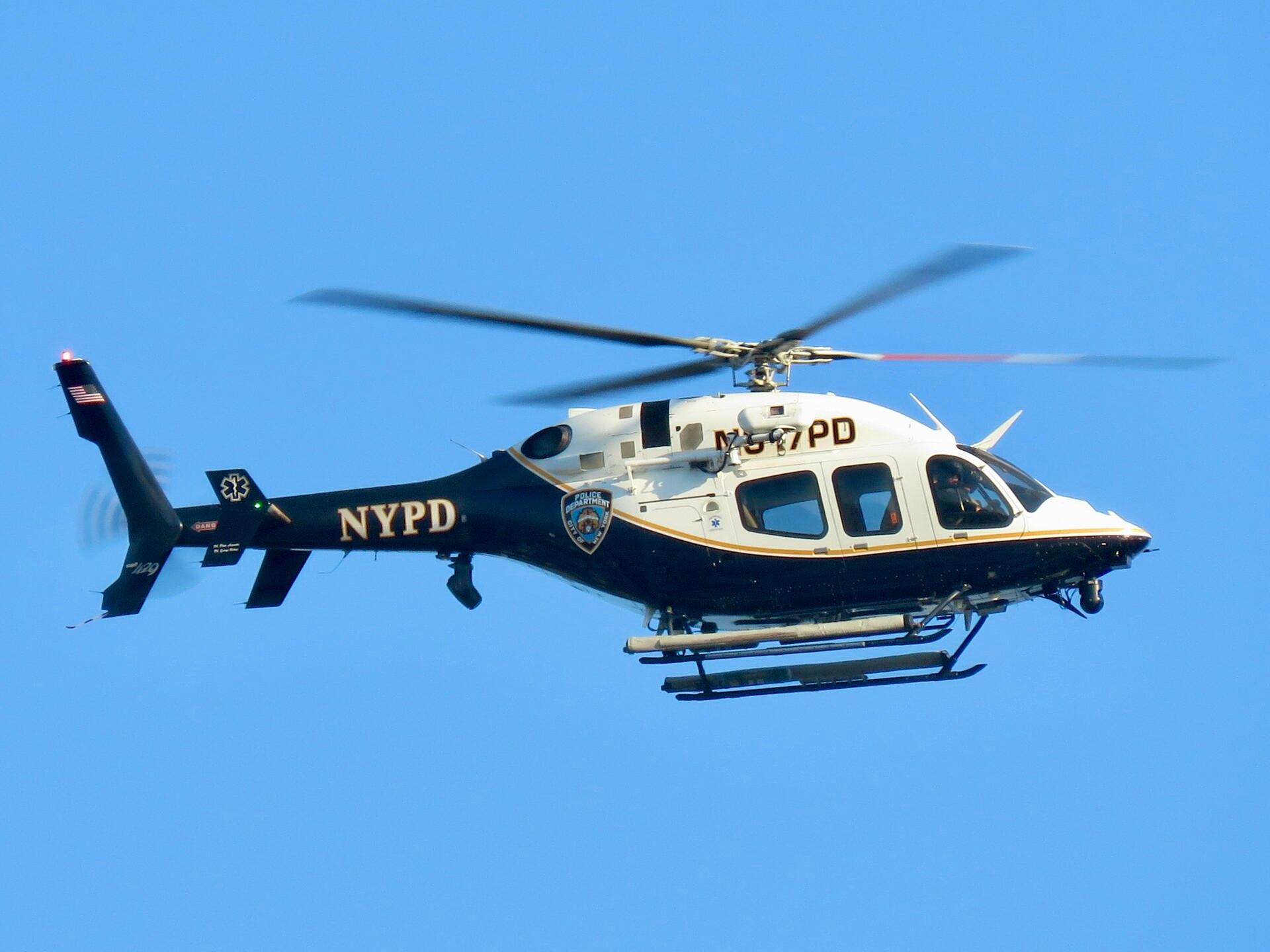
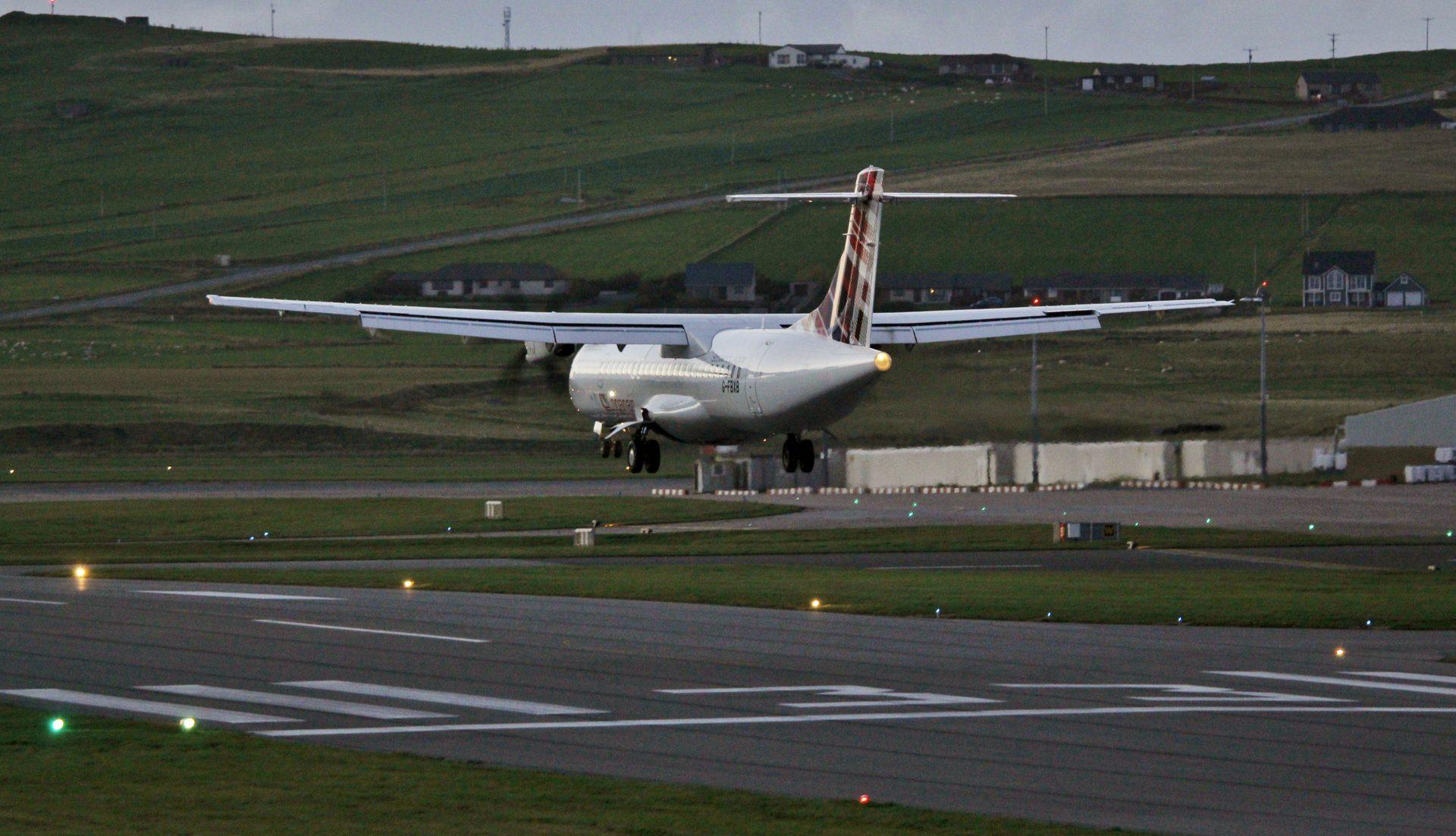
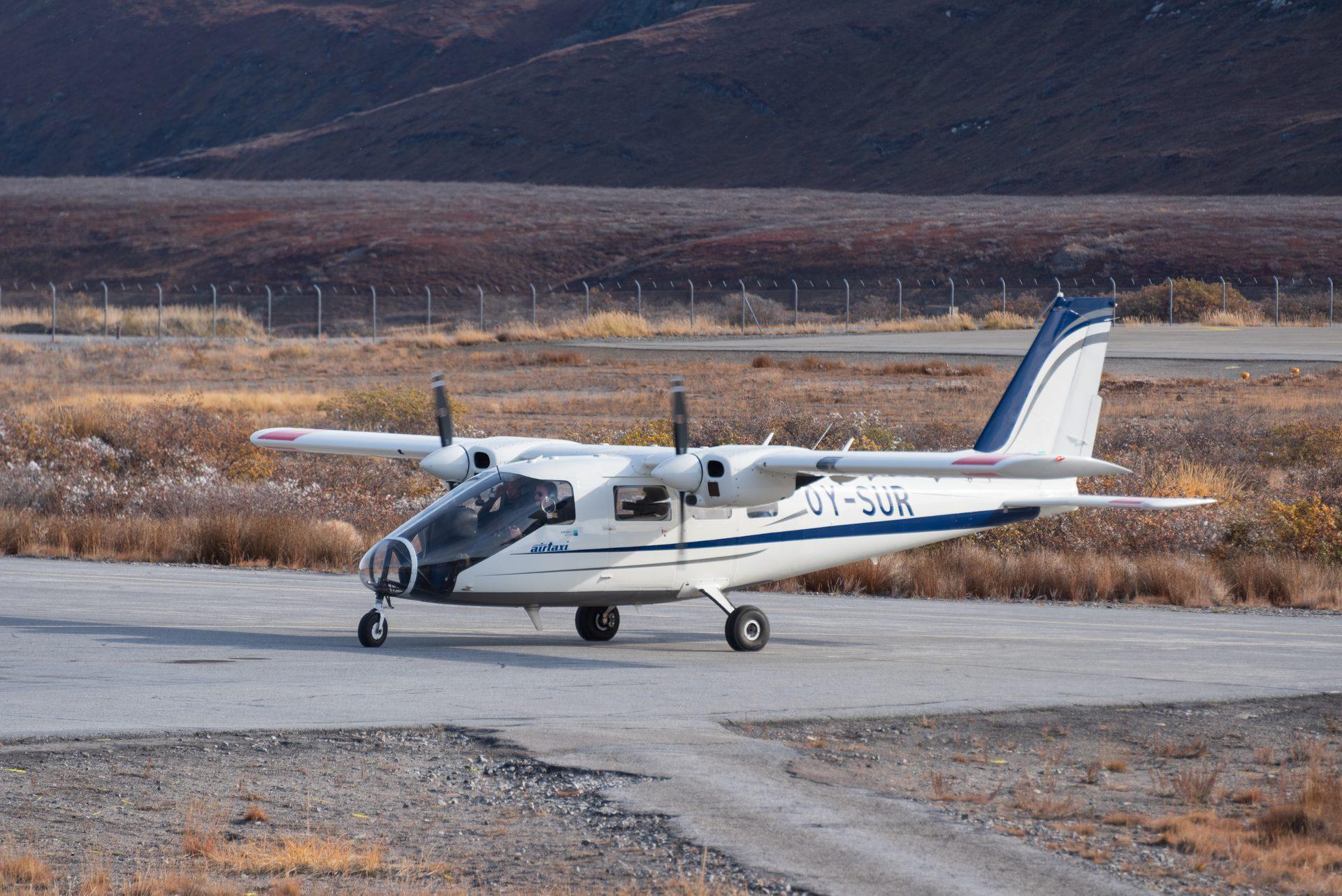
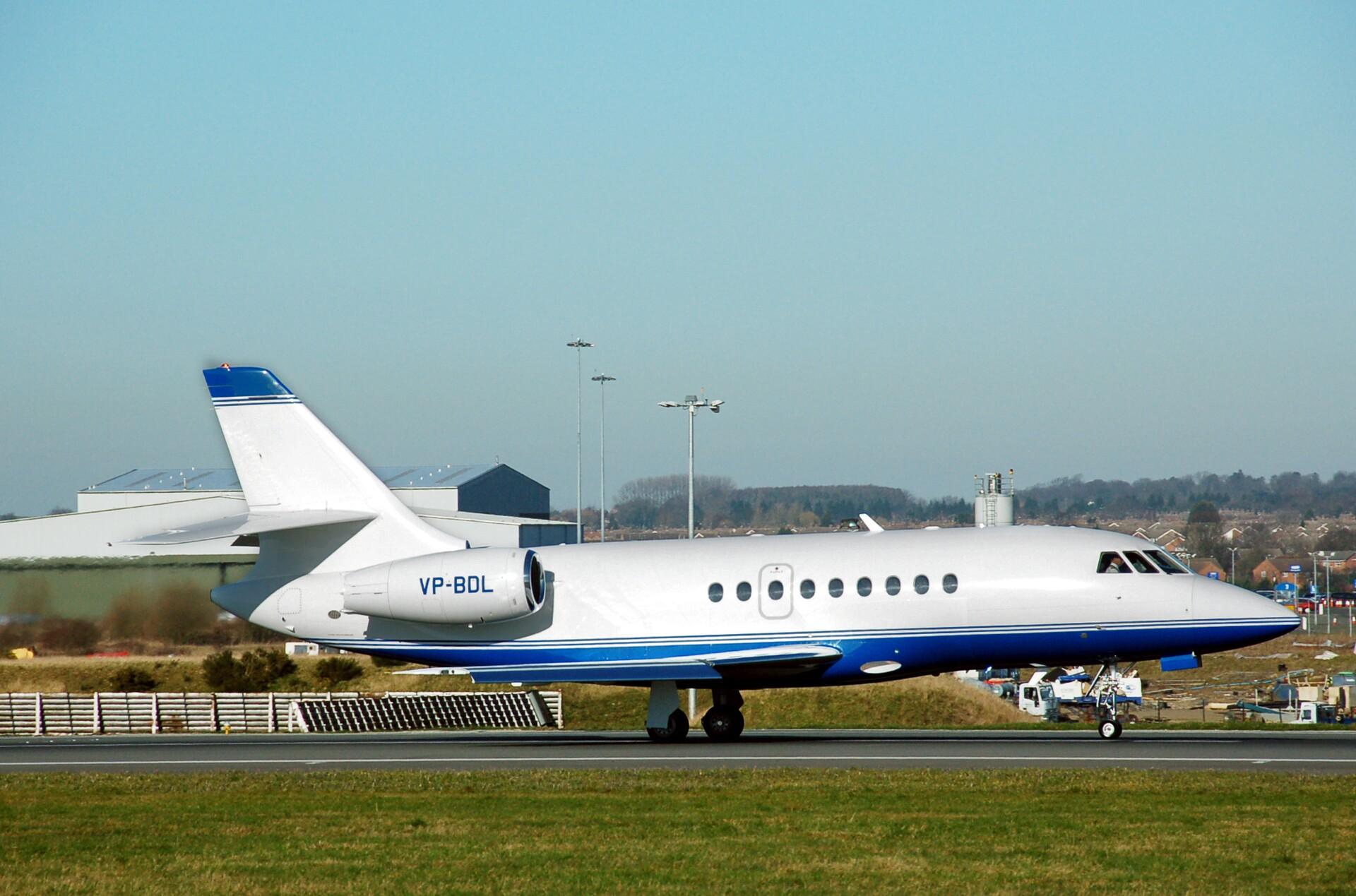
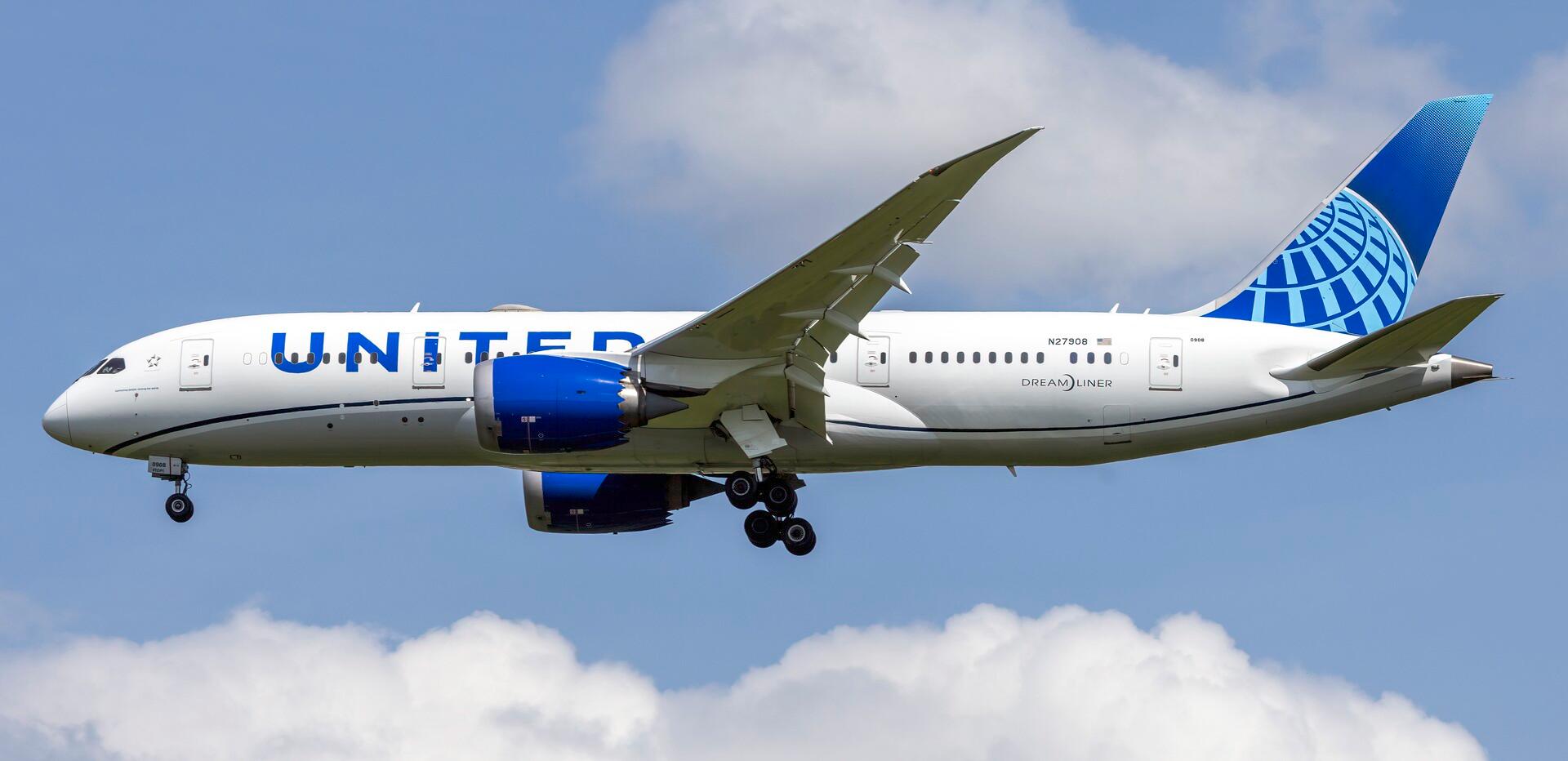
News. One of these three rotorcraft documents is a final rule. The other two are proposals published on 16 November 2026, and neither has an effective date. The photograph is Bell 429 N917PD on 10 August 2024. It is the model in the final rule. It is not identified as a listed serial number, and it is not an MBB-BK 117 or an EC155.
AD 2026-22-12, Bell 429 tail-boom rivets, is final
AD 2026-22-12, Amendment 39-23514, was published on 12 November 2026 as document 2026-23007, at 91 FR 72770. Docket No. FAA-2026-7227. The DATES line says the AD is effective 17 December 2026. It supersedes AD 2022-20-11, Amendment 39-22195, published at 87 FR 64152 on 24 October 2022.
Paragraph (g) requires Transport Canada AD CF-2025-60R1, dated 28 January 2026, except for the FAA differences below. The Canadian AD is effective 11 February 2026 in Canada, applies to Bell 429 serial numbers 57001 and subsequent, supersedes Transport Canada AD CF-2025-60, and calls the action interim. It says failed rivets were found at the tail-boom skin joint with tail-rotor gearbox support part number 429-034-701-101 or 429-035-705-101, after a quality escape left gaps and rivets of inadequate grip length. Bell Alert Service Bulletin 429-19-47, Revision C, is dated 6 May 2025. The FAA rule requires the same inspections as AD 2022-20-11 and shortens the repeat.
After the first timed inspection, Part II of the Canadian AD repeats every 100 hours air time or 3 months, whichever comes first. The first of those repeats is not the same for every helicopter. It depends on air time since the last inspection the Canadian text counts: less than 50 hours, 50 to 350 hours, or more than 350 hours. The FAA does not leave that "last inspection" sentence as written. Paragraph (h)(3) replaces "since the last inspection in accordance with Part I or Part II of AD CF-2021-15 or Part I of this AD" with "since the last inspection in accordance with Part I of this AD." An inspection done only under the older Canadian AD does not, under the FAA wording, start that clock. The FAA also requires air time to be read as hours time-in-service, and "tactile check" to be read as "tactile inspection." It does not require the report to Bell. A gap repair or rivet replacement that the material would send to Bell as a structural-repair request has to be done by a method approved by the FAA, Transport Canada, or Bell's Transport Canada design-approval organization.
The FAA estimates 147 helicopters of U.S. registry. Each visual, borescope and tactile inspection is 1 work-hour at $85, $12,495 for the fleet per inspection. A rivet replacement is $85 of labor plus up to $22 in parts per rivet, with a per-helicopter ceiling of $9,416.
NPRM 2026-23212 would supersede the EC155 window AD
Document 2026-23212, at 91 FR 73481, is a proposal for Airbus Helicopters Model EC 155 B and EC 155 B1 helicopters as identified in EASA AD 2026-0011, dated 15 January 2026. Docket No. FAA-2026-13814, Project Identifier MCAI-2026-00037-R. Comments are due 31 December 2026. Paragraph (b) says the proposed AD would replace AD 2025-24-01, Amendment 39-23196, published at 90 FR 56666 on 8 December 2025.
AD 2025-24-01 already requires replacement of the jettisonable windows and seals on the left and right sliding doors and fixed panels, plus new labels. The proposal would keep that work and add tinted windows, which the FAA says the service information omitted. The stated unsafe condition is that the jettison force exceeds the maximum allowed, which could hinder evacuation. Where EASA AD 2026-0011 refers to 18 September 2024, the effective date of EASA AD 2024-0173, the FAA would use 12 January 2026, the effective date of AD 2025-24-01. Flight hours would be read as hours time-in-service. The report to the manufacturer would not be required.
The FAA estimates 16 helicopters of U.S. registry. Each of its two cost lines is 24 work-hours, $2,040 of labor. Windows, seals and labels: parts up to $53,553, up to $55,593 a helicopter, up to $889,488 on U.S. operators. Tinted windows: parts up to $60,000, up to $62,040 a helicopter, up to $992,640. Each U.S. total uses the same 16. This article does not add them.
NPRM 2026-23213, BK 117 air-conditioning duct
Document 2026-23213, at 91 FR 73486, is a separate proposal. Docket No. FAA-2026-13816, Project Identifier AD-2026-00521-R. Comments are due 31 December 2026. Paragraph (b) names no earlier FAA AD. It would apply to all Airbus Helicopters Deutschland Model MBB-BK 117 C-1 and MBB-BK 117 C-2 helicopters with Air Comm Corporation air-conditioning system part number EC145-7040-1 installed under FAA supplemental type certificate SR00601DE. A BK 117 without that installation is outside the proposal.
The FAA says corrosion has let the condenser-duct support wire protrude into the tail-rotor drive shaft. If not addressed, the shaft could fail. Within 7 days after a final rule's effective date, then every 50 hours time-in-service or 3 months, whichever is first, the proposal would inspect the shaft for a protruding wire or wear, the duct exterior for a broken wire or bulge, whether the duct springs back to round, and, with a borescope, the lining and the wire for corrosion or separation. A finding means replacing the shaft by an approved method, or the duct with a new zero-hour duct, before further flight. Special flight permits would not be allowed.
The FAA estimates 54 helicopters of U.S. registry. The shaft-and-exterior inspection and the borescope are each 1 work-hour, $85, and $4,590 for the fleet per inspection. A duct is $300 in parts plus one hour, $385 a helicopter. A drive shaft is 6 work-hours, $510, plus $10,503 in parts, $11,013.
Sources
- Federal Register: AD 2026-22-12, Bell 429, 12 November 2026
- GovInfo PDF, 2026-23007
- Transport Canada AD CF-2025-60R1, copy held by CASA
- Federal Register: EC155 window NPRM, 16 November 2026
- GovInfo PDF, 2026-23212
- Federal Register: MBB-BK 117 air-conditioning NPRM, 16 November 2026
- GovInfo PDF, 2026-23213