NPRM 2026-23116 Would Replace GE Passport Start-Bleed Fuel Tubes
A 13 November 2026 proposal would replace start-bleed-valve fuel tube 2721M52G01 on certain GE Passport 20 engines after a core-compartment fire and an in-flight shutdown. Comments close 28 December. It is not a final rule.
Organizational byline
Updated November 16, 2026
3 min read
News. This is a proposal, not a final airworthiness directive. On 13 November 2026 the FAA published a notice of proposed rulemaking for certain General Electric Company Passport 20 engines. Federal Register document 2026-23116 is at 91 FR 73174. Docket No. FAA-2026-13813, Project Identifier AD-2026-00061-E. Comments are due 28 December 2026. The notice sets no effective date, and paragraph (b) names no earlier FAA AD.
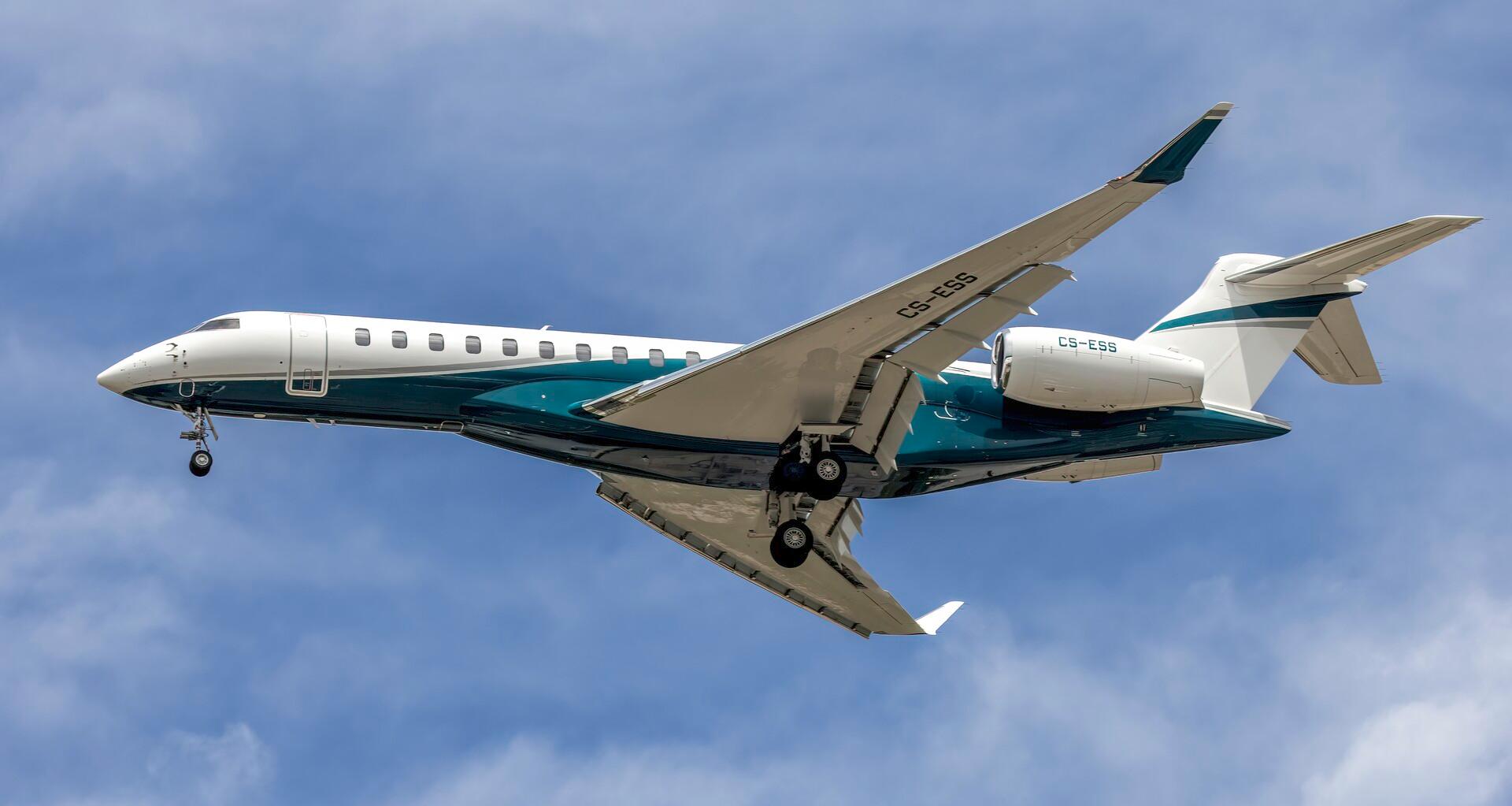
The photograph is Bombardier Global 7500 CS-ESS, taken on 20 May 2025. GE Aerospace's Passport page says the Passport powers the Global 7500 and the Global 8000. The NPRM does not name an airplane. The picture does not show a fuel tube, and it is not an engine identified by the part number below.
The FAA says a GE Passport 20 engine experienced a fire warning and a subsequent in-flight shutdown. The manufacturer's investigation found that hot-gas leakage at the high-pressure compressor case split line eroded a start bleed valve fuel tube. That erosion caused fuel leakage and a fire in the engine core compartment. GE redesigned the tube to prevent erosion from hot-gas impingement. Paragraph (e) says the proposed AD is to prevent that erosion. If the condition is not addressed, the FAA says it could result in an engine fire and damage to the airplane. The subject code is JASC 7310, engine fuel distribution.
Which engines, and what the proposal would require
Paragraph (c) applies to GE Model Passport 20-17BB1A, Passport 20-18BB1A, Passport 20-19BB1A and Passport 20-19BB1B engines that have a start bleed valve fuel tube of part number 2721M52G01 installed. An engine of those models without that tube is outside the proposed applicability. The notice does not extend the proposal to any other Passport model.
If adopted, paragraph (g) would require the affected tube to be removed from service and replaced with part number 3179M50G01. The compliance point is the later of two limits: before the affected tube has accumulated 2,750 flight hours time since new, or within 250 flight hours after the effective date. There is no effective date in this notice, so neither clock is running. Paragraph (j) incorporates no service bulletin. The replacement instruction is the part number in the proposed AD text.
The FAA calls the determination the usual one for this kind of notice: the unsafe condition is likely to exist or develop on other products of the same type design. That sentence is the reason for proposing a rule. It is not a finding that any particular engine still in service has a leaking tube.
What the FAA priced
The FAA estimates that adoption would affect 126 engines installed on aircraft of U.S. registry. The cost table uses 36 work-hours at $85 an hour, or $3,060, plus parts of $1,997. The published per-product figure is $5,057. The estimated cost on U.S. operators is $637,182. Those figures are the FAA's U.S. estimate for the tube change. They are not a count of the worldwide Passport fleet.
The notice was issued on 9 November 2026 and signed by Brian Knaup, Acting Deputy Director, Integrated Certificate Management Division, Aircraft Certification Service. Shops do not have a compliance date until a final rule sets one.