NPRM 2026-23134 Would Check 747-400 ACMPs for the 777 Wheel-Well Fire Part
A 13 November 2026 proposal would require a records check or inspection for ACMP part number 731966 on all Boeing 747-400 and 747-400F airplanes. AD 2026-19-04, the 777 rule on the same part, is already final. This 747 action is not.
Organizational byline
Updated November 16, 2026
4 min read
Analysis. The 747 document published on 13 November 2026 is a proposal. The 777 document it points to is not. Federal Register document 2026-23134, at 91 FR 73176, is a notice of proposed rulemaking for all Boeing 747-400 and 747-400F series airplanes. Docket No. FAA-2026-13810, Project Identifier AD-2026-00233-T. Comments are due 28 December 2026. The notice sets no effective date. Paragraph (b), Affected ADs, says none. It does not amend the 777 rule.
That 777 rule is AD 2026-19-04, Amendment 39-23471, which this NPRM cites at 91 FR 61127, 28 September 2026. The NPRM describes it as a directive that applies to all Boeing 777-200, 777-200LR, 777-300, 777-300ER and 777F series airplanes and that addresses the same unsafe condition. The Flight Brief's reading of that final rule is in AD 2026-19-04. A 747-400 shop cannot treat the 777 effective date as a 747 compliance date. Nothing in document 2026-23134 grounds a 747 today.
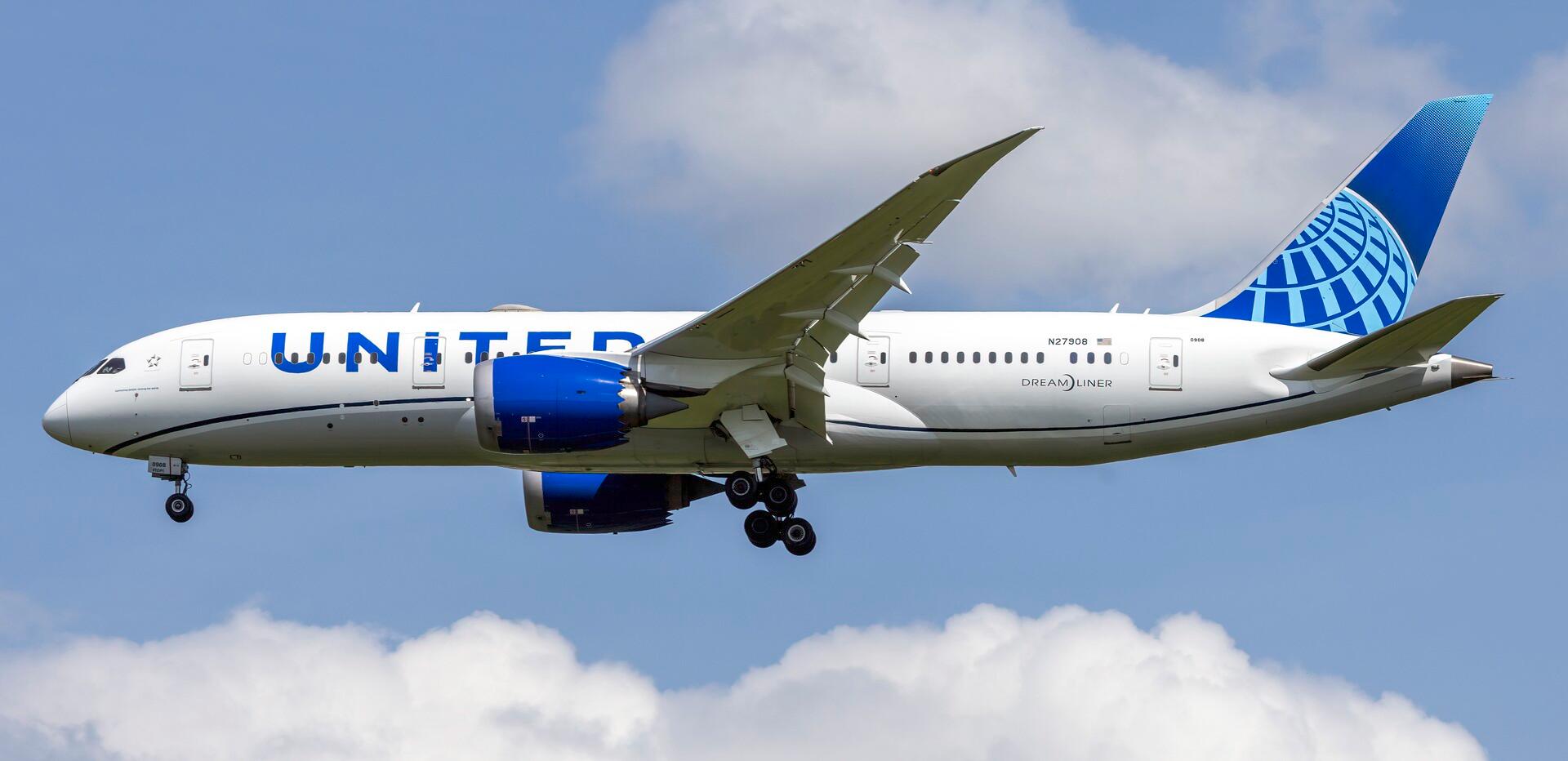
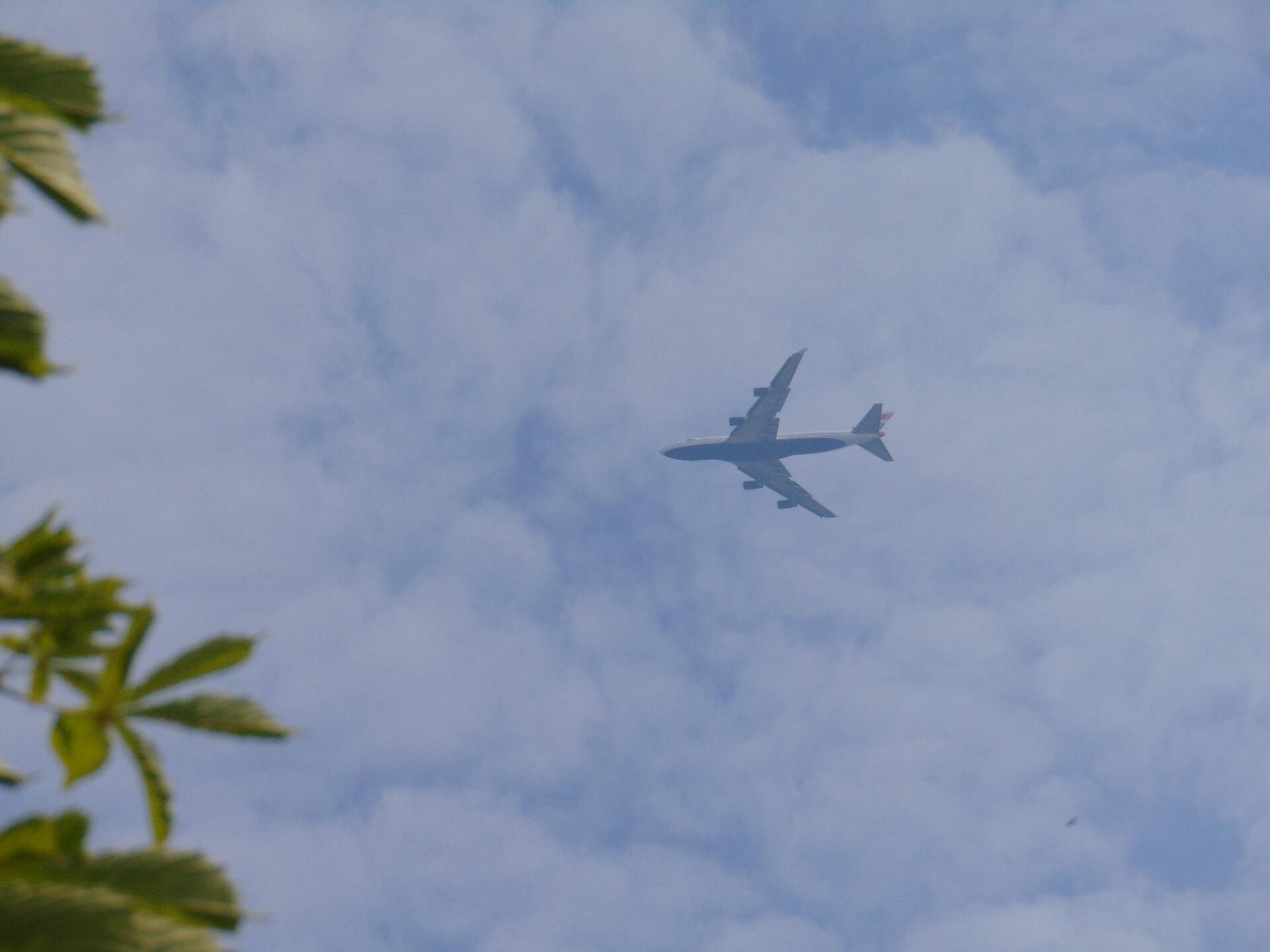
The photograph is a British Airways 747-400 climbing away from Heathrow on 20 May 2019. It is one of the two series named in the proposal. It is not identified as a 747-400F, and it does not show an alternating current motor pump.
Same part, same failure story, a different airplane
The NPRM says the FAA received a report of a fire in the main-landing-gear wheel well of a Model 777. The investigation found an overheated ACMP. The FAA says the affected pumps can also be installed on the 747-400 and 747-400F. Further investigation found a lock washer and nut missing from a moving contact in the related electrical load control unit. Without them, the FAA says, the main contact operator bar was unrestrained and two-phase power reached the pump. The pump overheated, leaked hydraulic fluid, and started the wheel-well fire.
The design change described in the notice adds fusible links so the pump does not overheat if one electrical phase fails. The unsafe condition the FAA states for this proposal is a single failure of the load control unit that applies continuous two-phase power with no way to remove it. If that is not addressed, the FAA says the pump could overheat and ignite a wheel-well fire, with damage to the airplane, loss of continued safe flight and landing, or injury.
The part number is the same one the NPRM attributes to AD 2026-19-04: ACMP part number 731966. Boeing Alert Requirements Bulletin 747-29A2132 RB, dated 5 March 2026, is what the proposal would make mandatory, at the compliance times in that bulletin, with the bulletin's own issue date read as the effective date of a final AD. The guidance bulletin named in Note 1 is Boeing Alert Service Bulletin 747-29A2132, the same date. On-condition work in the material the FAA reviewed is replacement of each affected pump with part number 3033115-100. Paragraph (h)(2) adds 66133-06, 66068-05, 66068-06 and 66068-08 as acceptable replacements. The NPRM's own description of the 777 directive lists 3033115-100, 66133-06, 66068-08, or a later approved number. The two extra numbers, 66068-05 and 66068-06, are written into this 747 proposal, not into that description of the 777 rule. From the effective date, paragraph (i) would prohibit installation of part number 731966 on any airplane covered by the AD.
The cost table, as printed
The FAA estimates 105 airplanes of U.S. registry. The compliance row is an inspection or a maintenance-records check: labor of up to 4 work-hours at $85, which the table prints as $340, parts at $0, a per-product cost of up to $255, and a U.S. total of up to $35,700. Those are the figures in the row. The on-condition replacement row is up to 7 work-hours, $595, parts of up to $76,674, and up to $77,269 a product. The FAA says it has no way to determine how many airplanes would need that replacement, and the on-condition table does not print a U.S. fleet total.
The practical split is the one in the DATES line. AD 2026-19-04 is the final 777 directive. Document 2026-23134 is a 747-400 and 747-400F proposal, open for comment through 28 December 2026, with no effective date and no superseded AD of its own. The notice was issued on 9 November 2026.